
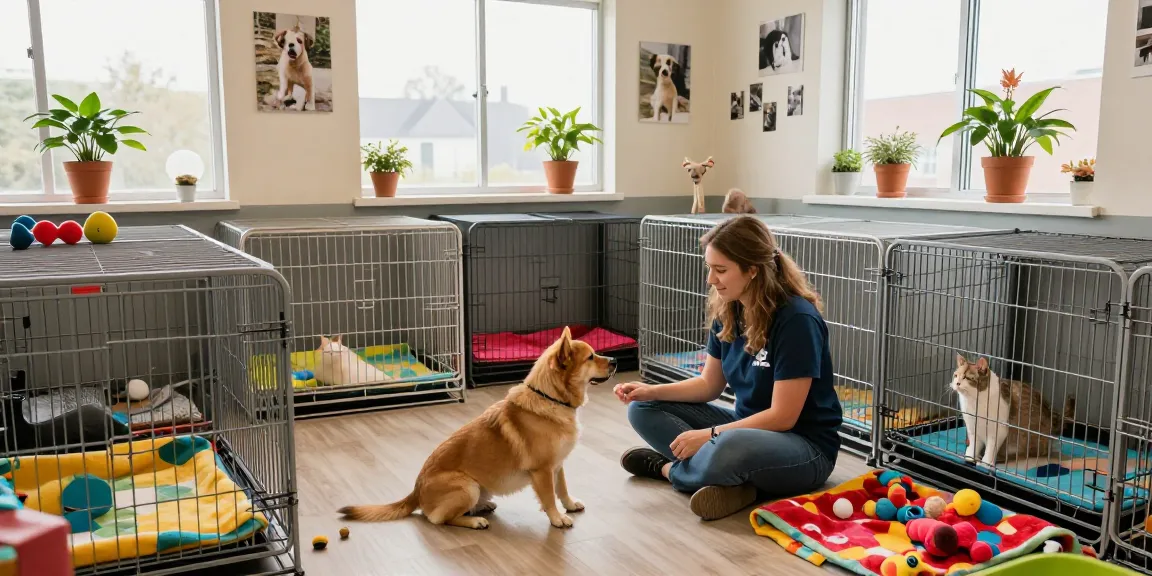
Understanding the Importance of Pet Rescue Cages
In the world of animal welfare, the significance of providing a safe and comfortable environment for rescued animals cannot be overstated. Pet rescue cages play a crucial role in this mission, serving as secure housing that facilitates rehabilitation, recovery, and adoption. Organizations devoted to rescuing and rehabilitating pets rely on these specialized cages to ensure that the animals in their care are well treated and monitored, fostering their physical and emotional well-being. When exploring options, Pet Rescue Cages can provide comprehensive insights for any organization looking to improve their facilities.
What Are Pet Rescue Cages?
Pet rescue cages are specially designed enclosures that provide a safe, clean, and secure environment for animals during their transition from a state of abandonment, neglect, or injury to a secure and nurturing home. These cages can vary in size, material, and complexity, with options tailored for different species or breeds. Generally constructed from durable materials like stainless steel or high-quality plastics, these cages are built to withstand regular use while providing necessary comfort to the housed animals.
Why Quality Matters in Animal Rescue
The quality of pet rescue cages is paramount. A well-constructed cage not only enhances the safety of the animal but also contributes significantly to its recovery and comfort. High-quality cages prevent escapes and protect animals from external threats, which is a concern for any organization involved in rescue work. Furthermore, the longevity of these cages reduces the necessity for frequent replacements, thereby conserving resources and ensuring the organization can allocate funds to other necessary areas such as veterinary care and community outreach initiatives.
Common Misconceptions About Pet Rescue Cages
Despite their importance, several misconceptions can cloud the perception of pet rescue cages:
- All cages are the same: This is misleading as cages designed for specific types of animals or situations can vary significantly in functionality and safety features.
- Price is the only indicator of quality: While price can reflect quality, it is essential to assess the materials used and design features as crucial determinants of a cage’s effectiveness.
- Cages restrict animal movement: When designed properly, cages can serve as a safe space that encourages rest and recovery without severely restricting movement.
Choosing the Right Pet Rescue Cage for Your Organization
Selecting the right pet rescue cage involves careful consideration of various factors that can directly impact the effectiveness of your rescue efforts. A well-suited cage enhances animal welfare and accommodates the operational needs of an organization.
Factors to Consider When Selecting Cages
When assessing potential cage options, several factors should be evaluated:
- Animal Size and Species: Ensure that the cages are adequately sized for the intended animals, allowing for comfortable movement and behavior.
- Material Type: Evaluate the materials used in cage construction for their durability, hygiene properties, and ease of maintenance.
- Ventilation: Proper airflow is essential for animal health; thus, cages must have adequate ventilation systems.
- Accessibility: The design should allow for easy cleaning and access to animals for care and treatment.
Material Durability and Animal Safety
The material used in a cage significantly influences both its durability and safety. Stainless steel cages are often favored for their resistance to wear, ease of cleaning, and ability to withstand harsh conditions. Plastic cages, while lighter, can also be effective if designed with strength in mind. Regardless of material, it’s essential to ensure that the cage structures are free from sharp edges or components that could harm the animals.
Space Optimization in Rescue Facilities
Space is often a premium in rescue organizations. Therefore, choosing cages that maximize available space without compromising animal comfort is critical. Modular cage systems can provide the flexibility needed to adjust configurations as required, allowing for efficient use of space while accommodating various animals simultaneously. Additionally, portable units can be invaluable for temporary setups during emergencies or special rescue operations.
Best Practices for Cage Maintenance and Care
To maintain the health and welfare of rescued animals, diligent cage maintenance and care are essential. Regular upkeep not only keeps the environment sanitary but also enhances the longevity of the cages themselves.
Routine Cleaning and Hygiene Protocols
Establishing a comprehensive cleaning routine is vital. This includes daily checks for cleanliness, immediate cleanup of any waste, and regular deep cleaning using safe, non-toxic disinfectants. Regular inspections for wear and tear can prevent potential hazards and ensure the cages remain in optimal condition.
Ensuring Animal Comfort and Safety within Cages
Beyond sanitation, ensuring the comfort and safety of animals housed in cages is paramount. Providing bedding materials that are safe, clean, and absorbent can significantly enhance their well-being. Additionally, cages should incorporate hiding spots or enrichment items that cater to the animals’ behavioral needs, allowing them to feel secure during their time in care.
Monitoring Health and Wellbeing in Rescue Cages
Continuous health monitoring of the animals within the cages is critical. This involves regular veterinary check-ups and observation for signs of stress or illness. Keeping detailed records of each animal’s health can aid in effective treatment and transition to forever homes.
Innovative Trends in Pet Rescue Cages for 2026
As the field of animal welfare evolves, so too do the technologies and designs used in pet rescue cages. Innovations are leading to improved safety, efficiency, and animal comfort.
Smart Cage Technologies Enhancing Animal Care
The advent of smart technologies has introduced exciting potential for enhancing animal rescue efforts. Sensors that monitor temperature, humidity, and even the activity levels of animals can provide valuable insights into their well-being, enabling more responsive care. Furthermore, remote monitoring systems can allow staff to oversee animals even when not physically present, ensuring constant oversight of their conditions.
Eco-Friendly Materials for Sustainable Operations
As sustainability becomes increasingly important, the use of eco-friendly materials in cage design and construction is on the rise. Manufacturers are exploring recycled plastics and renewable resources that reduce environmental impact while still providing safety and durability for animals, aligning with the values of the growing eco-conscious community.
Future Designs: Combining Functionality with Aesthetics
Future cage designs are anticipated to not only focus on functionality but also on aesthetics, creating a welcoming environment for both animals and visitors. Innovative designs that incorporate natural elements and inviting colors can reduce the stress levels of sheltered animals and encourage their adoption.
Real-World Success Stories of Pet Rescue Organizations
Understanding the real-world impact of quality cages on animal welfare can provide valuable insight for organizations considering upgrades or changes to their facilities.
Case Study: Transforming Lives through Quality Cages
One notable success story comes from a Midwest animal shelter that invested in high-quality pet rescue cages. Within six months, they reported a significant improvement in the recovery rates of animals, citing that the enhanced safety and comfort of the cages allowed for better behavioral assessment and care. This investment ultimately led to a rise in successful adoptions, illustrating the direct correlation between quality infrastructure and positive outcomes for animals.
The Impact of Proper Caging on Animal Adoption Rates
Statistics indicate that shelters with well-designed and maintained cages see higher adoption rates. Animals that are housed in clean, comfortable environments tend to exhibit less stress and more appealing behaviors, making them more attractive to potential adopters. Organizations often find that providing an improved living situation for their animals significantly enhances their chances of finding a new home.
Community Support and Engagement Strategies
Many successful rescue organizations leverage their commitment to animal welfare by engaging the community in support initiatives. Host events showcasing their facilities and the animals available for adoption can foster community goodwill and support. Additionally, sharing stories of transformed lives through social media can resonate with audiences, encouraging donations and fostering connections.
What Are the Key Benefits of Investing in Quality Cages?
Investing in quality pet rescue cages can yield numerous benefits for rescue organizations:
- Enhanced Animal Wellbeing: Quality cages provide a safe and comfortable environment, crucial for the rehabilitation of animals.
- Increased Efficiency: Well-designed cages simplify cleaning and maintenance, allowing staff to focus more on care.
- Improved Adoption Outcomes: Animals in comfortable environments are more likely to be adopted, benefiting community welfare.
How to Measure Success: Metrics for Rescue Organizations?
To assess the impact of quality cages, organizations can track various metrics, such as adoption rates, recovery times, and community engagement levels. Conducting surveys with adopters can also provide insights into how the environment influenced their decision to adopt.

